History
A strong legacy driving a strong future
We’ve got a track record that turns heads. A history that inspires confidence. Credentials that can’t be ignored.
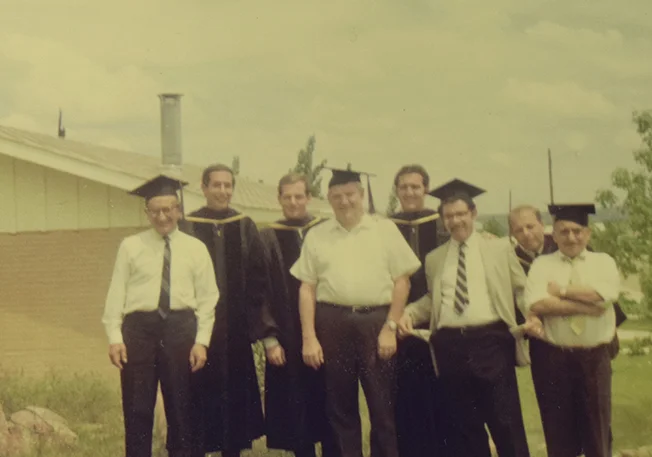
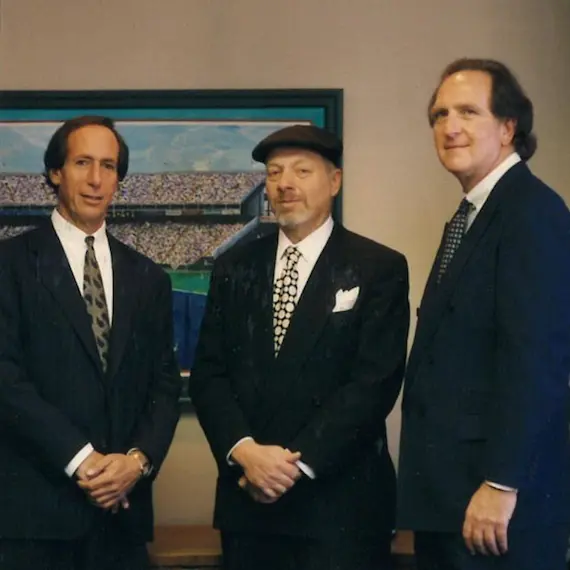
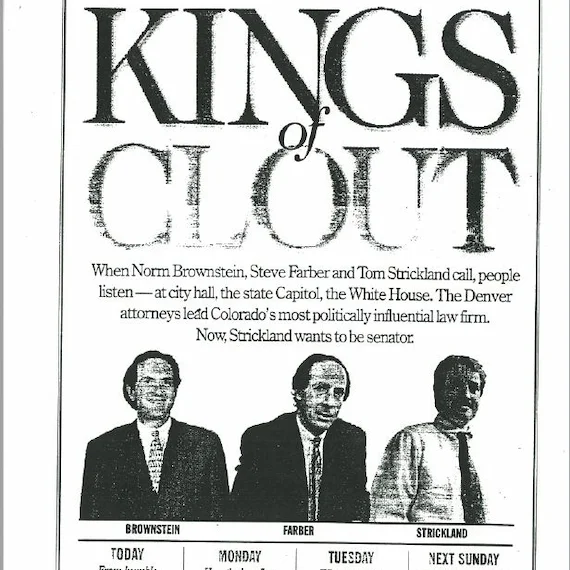
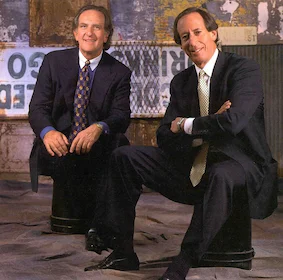
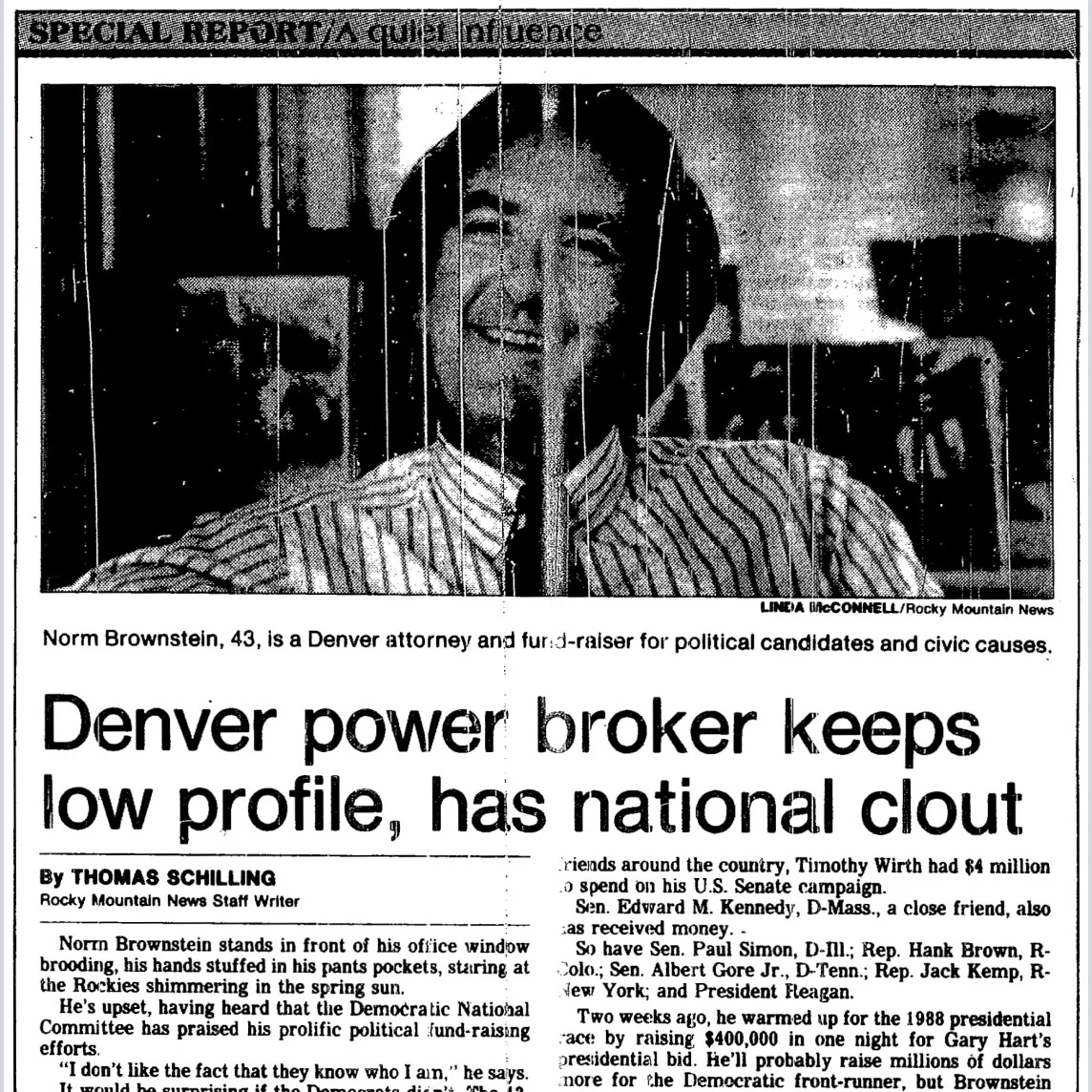
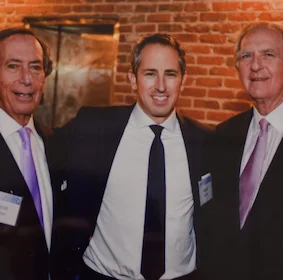
Norm Brownstein, Jack Hyatt and Steve Farber had no idea what the future held when they opened their law firm in 1968—neither did Frank Schreck, who also started his practice the same year and later merged with Brownstein Hyatt & Farber in 2007. For more than 50 years, we’ve been making moves that have placed us at the vanguard of our industry. We’ve witnessed a complete evolution of the legal industry as well as periods of economic recession and incredible growth. And we’ve taken those lessons with us as we’ve grown from three University of Colorado graduates to a firm of more than 600. We’re proud of this legacy and relentless pursuit of excellence.
A preposterous idea
Four founders with shared values.
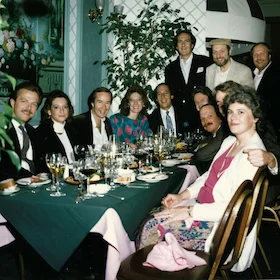
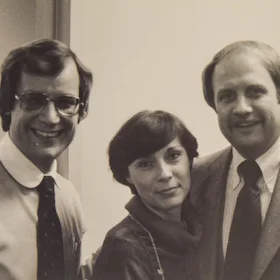
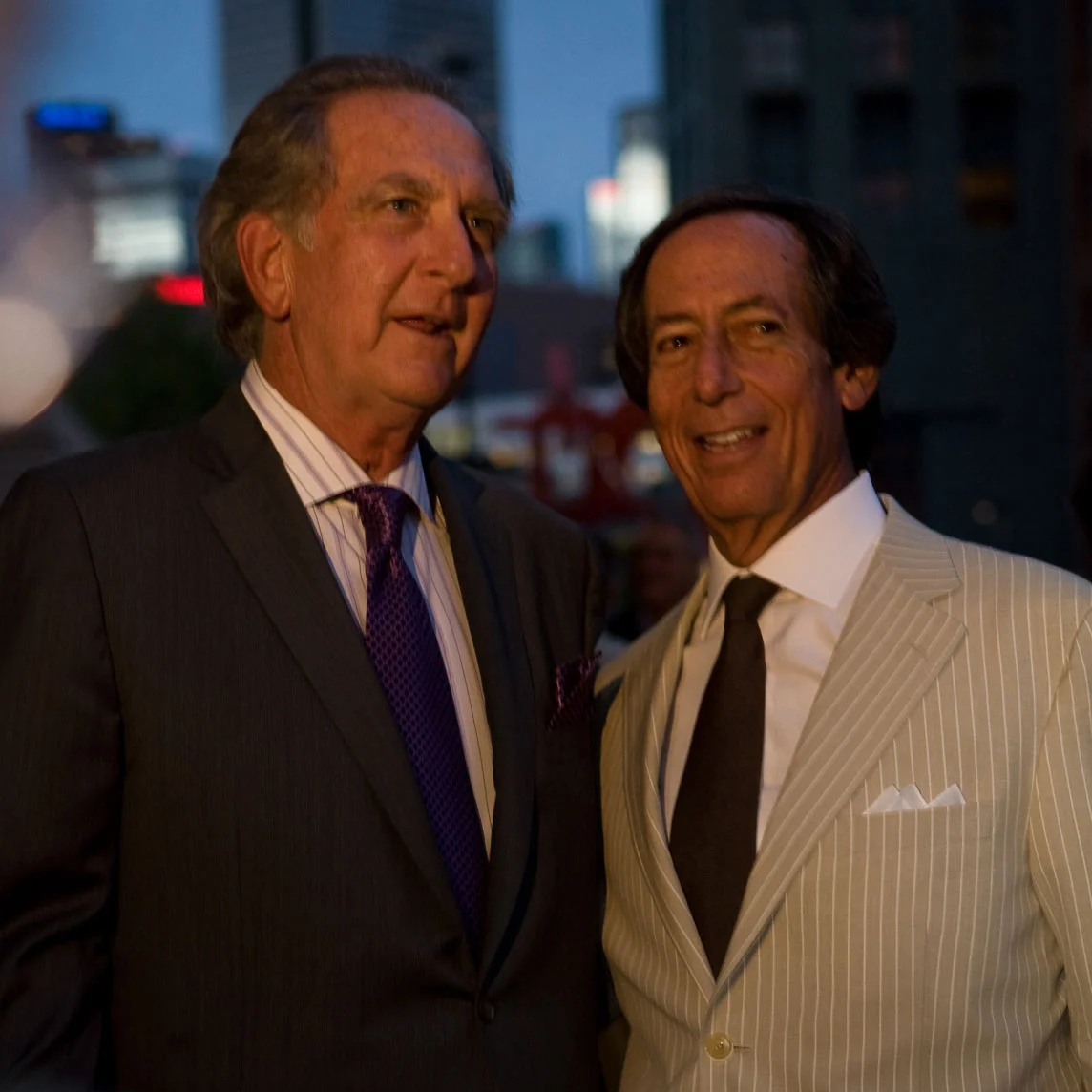
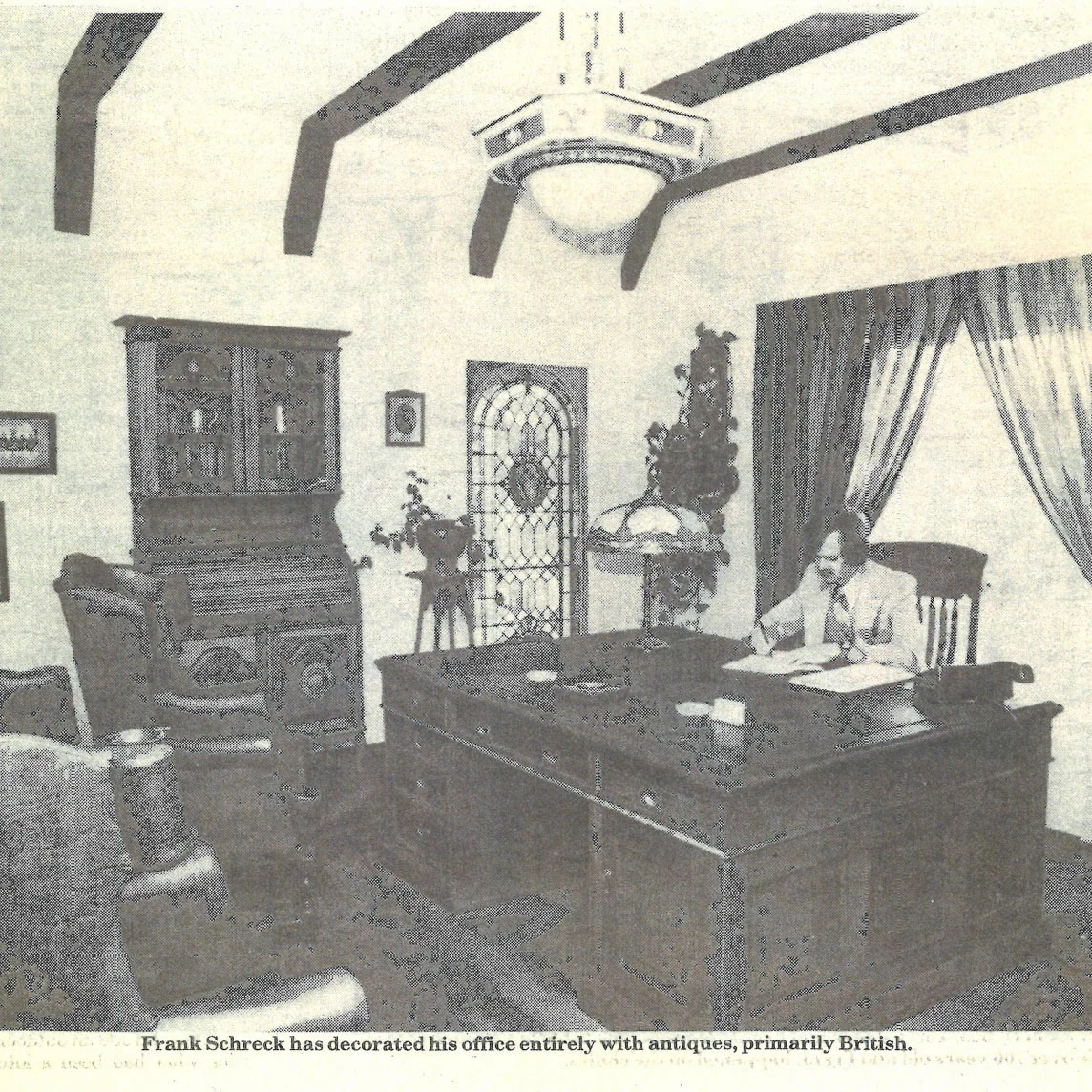
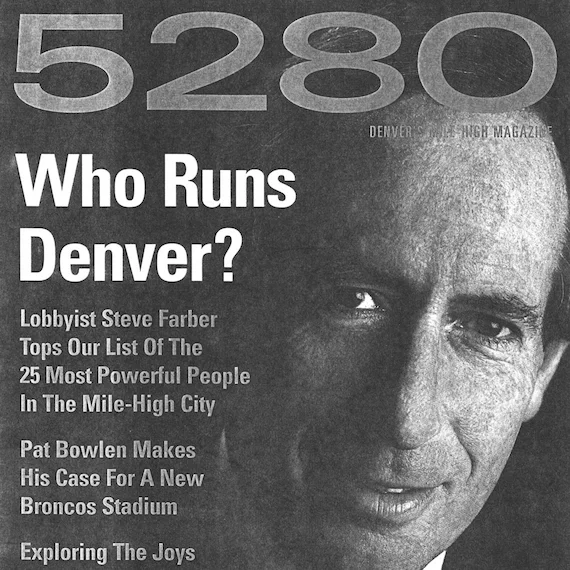
The year was 1968 and childhood friends—Norm Brownstein, Jack Hyatt and Steve Farber—sat around a kitchen table in Denver’s West Side neighborhood debating their preposterous idea. Only six-months out of law school and without a business connection to speak of, the three young attorneys set out to start a law firm in downtown Denver. It may have been an outlandish idea at the time but with a lot of grit and a focus on relationships, look where it is today. Much may have changed over the last five-plus decades, but our founders’ core values and commitment to strong relationships remain firm. It must have been kismet because unbeknownst to Norm, Jack and Steve, another legal legend —Frank Schreck—was launching his own career In Henderson, Nevada that same year. In 1971, Frank was named to the Nevada Gaming Commission where he spent four years rewriting rules and regulations. Following that, he founded his own law firm. Fast-forward to 2007 when Norm approached Frank about a merger. While it wasn’t the first merger offer Frank had received, it was the last thanks to the shared value-system of the founders. Brownstein wouldn’t be what it is today without the addition of Frank Schreck and his firm.



Breathing new life into Denver’s Union Station
Redeveloping Union Station—Denver’s 120-year-old historic landmark—involved a myriad of challenges within the public-private partnership arena, as well as across real estate and hospitality law. And for an initiative surrounded by such incredible complexity, involving so many parties and spanning a multitude of sectors, there was only one partner for the job: Brownstein. As legal counsel to the Union Station Alliance (the investment group responsible for the project), our team advised on everything from construction to historic tax credit issues; navigated long-term government leases, an Amtrak sublease and National Park Service approvals; and helped manage funding from multiple sources—just to name a few. Two years later with $54 million invested, Union Station was transformed: becoming a multi-modal transit hub, a destination for tourists and locals alike and a vibrant city centerpiece.

Brownstein Tops Lobbying Industry
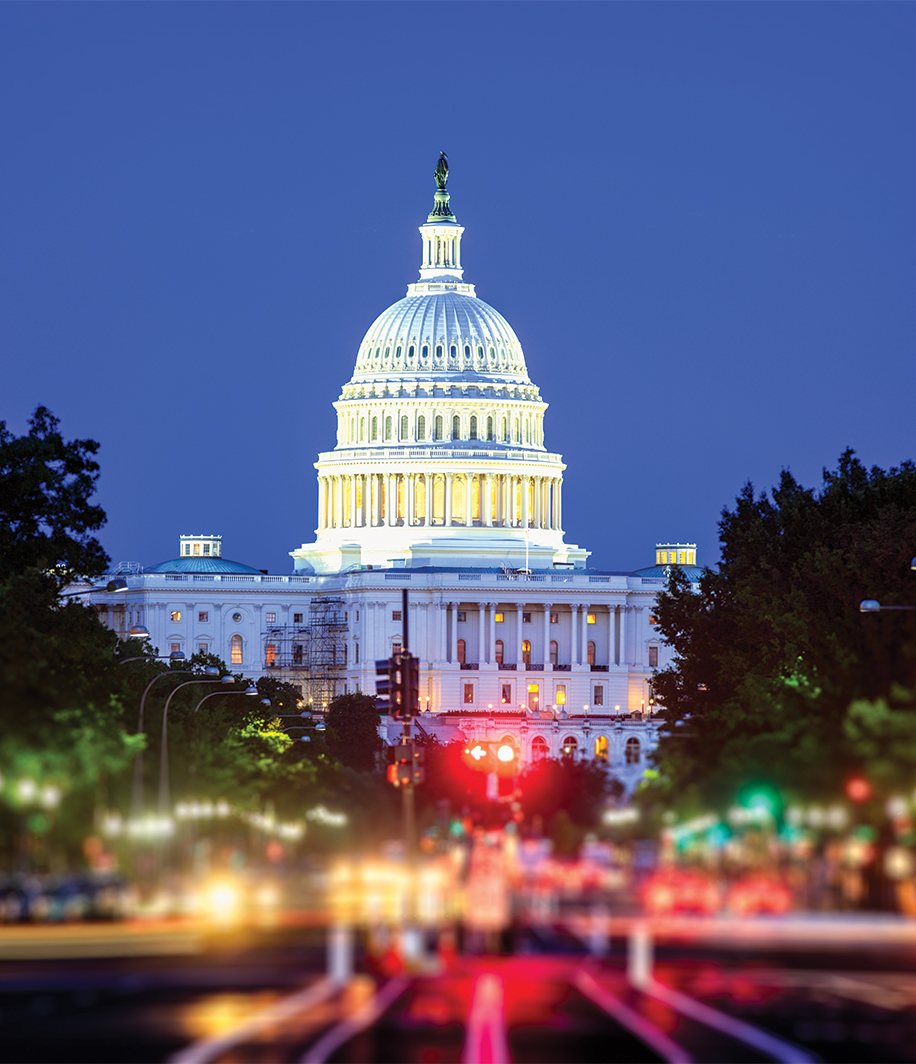
From a one-man shop in 1995 to the nation’s No. 1 federal lobbying firm based on revenue —our federal government relations team just keeps getting bigger and better. In a time when playing an active role in policy formation has become essential to organizations everywhere, it’s an unprecedented achievement for a Denver-based firm like our own. So, how did we get here? Driven by an experienced, bipartisan government relations team, our team has held heavy-hitting roles, from Capitol Hill to the Executive Branch to the Department of Justice, across both sides of the aisle—keeping us on the cutting edge in Washington. And with this talent and expertise on our side, we’ll only continue to grow: working on the most high-impact issues affecting businesses across the country.
Securing California’s Water Supply
The 2003 Quantification Settlement Agreement (QSA) was the cornerstone of a Colorado River Basin states water supply solution, giving California the ability to implement major Colorado River water transfers and allowing the state to live within its 4.4 million acre-foot basic annual water apportionment. Given historical disputes between diverse parties and what was at stake, a decade of litigation followed. The San Diego County Water Authority relied on Brownstein’s natural resources team during the initial negotiation of QSA and it later led the defense of QSA in litigation, ultimately securing a momentous victory for California—validation of QSA and its 11 related agreements and successful defense of all outstanding legal challenges. For San Diego County, the stakes were particularly important: providing long-term water security for the region’s $245 billion economy and quality of life for its 3.3 million residents.